My Health Science Glossary
My Health Science Glossary.
Hi, my name is Aissatou, I'm 18 years old, and I'm currently studying in health science at Montmorency College. When studying health science, people can sometimes face difficult words that are often unknown. I created this glossary to help people in health science or people that are just interested in this field to have a better understanding of words often used in this program. I created a detailed glossary that contains a definition for each word, a definition, an audio pronunciation and lastly, a picture.
- acid
- noun
- A chemical substance that neutralizes alkalis, dissolves some metals, and turns litmus red; typically, a corrosive or sour-tasting liquid of this kind.
- Example: After these two steps comes the citric ACID cycle, also known as the Krebs cycle.
- fr: acide

- base
- noun
- A base is a substance that can neutralize the acid by reacting with hydrogen ions. Most bases are minerals that react with acids to form water and salts.
- Example: The aldol reaction uses sparteine as a BASE to form the enolate of the ketone in the auxiliary, with TiCl 4 as the lewis acid to stabilise the enolate.
- fr: base
- cancer
- noun
- A term for diseases in which abnormal cells divide without control and can invade nearby tissues.
- Example: The World Health Organisation (WHO) have placed HAT within the ten major health problems facing mankind, alongside malaria, CANCER, and heart disease.
- fr: cancer

- cell
- noun
- In biology, the smallest unit that can live on its own and that makes up all living organisms and the tissues of the body.
- Example: However, the test is not conclusive, as "Many statisticians recommend a certain minimum expected frequency (fe) per CELL.
- fr: cellule

- DNA
- noun
- A self-replicating material that is present in nearly all living organisms as the main constituent of chromosomes. It is the carrier of genetic information.
- Example: Mutations can be caused by certain forms of ionising radiation, such as X rays, and certain kinds of chemicals that damage the DNA and alter the message that it carries.
- fr: ADN
- enzyme
- noun
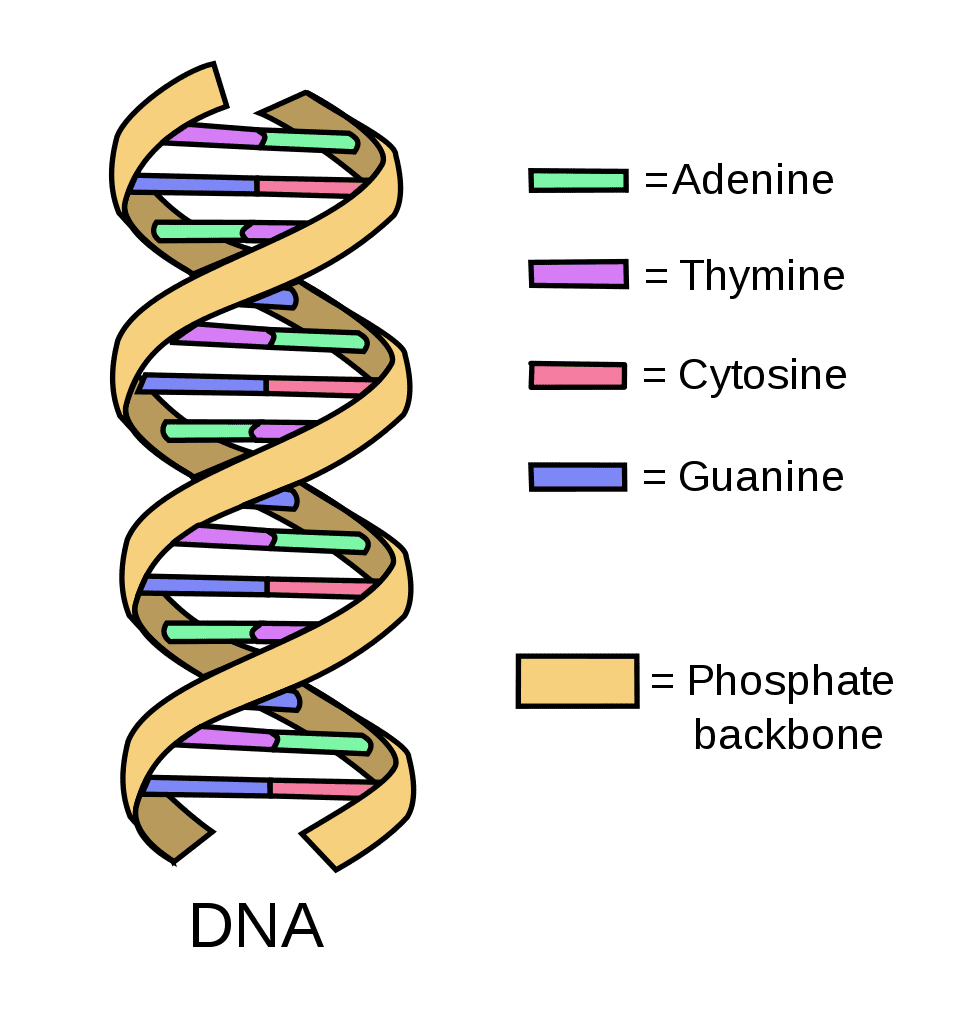
- A substance produced by a living organism which acts as a catalyst to bring about a specific biochemical reaction.
- Example: The fate of glycerol is to be converted to dihydroxyacetone in the cytosol of cells, by ENZYME action.
- fr: enzyme
- gland
- noun
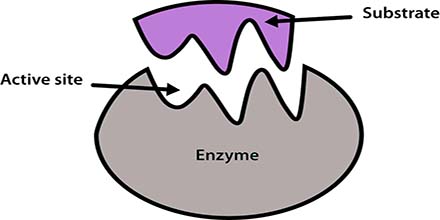
- An organ that makes one or more substances, such as hormones, digestive juices, sweat, tears, saliva, or milk.
- Example: Iodine deficiencies cause goiter, which is the swelling of the thyroid GLAND, and hypothyroidism.
- fr: glande
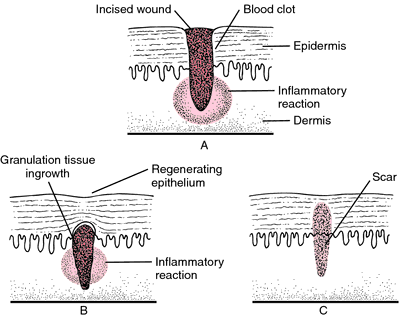
- heal
- verb
- Become sound or healthy again.
- Example: However recovery from the fracture will require patience on his part so that the bone and soft tissues are given adequate time to HEAL and he may feel apprehensive about putting weight on the ankle joint initially.
- fr: guérir
- hyperventilation
- noun
- Hyperventilation is rapid or deep breathing, usually caused by anxiety or panic. This overbreathing, as it is sometimes called, may actually leave you feeling breathless.
- Example: A respiratory alkalosis caused by 's HYPERVENTILATION is indicated.
- fr: hyperventilation

- immune system
- noun
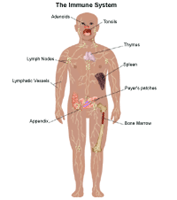
- A complex network of cells, tissues, organs, and the substances they make that helps the body fight infections and other diseases.
- Example: It appears that tularemia cannot be resolved by the action of the IMMUNE SYSTEM alone.
- fr: système immunitraire
- inflammation
- noun
- Inflammation is a process by which your body's white blood cells and the things they make protect you from infection from outside invaders, such as bacteria and viruses.
- Example: The innate immune response is not sufficient to clear the infection and increase INFLAMMATION.
- fr: inflammation

- insulin
- noun
- A hormone produced in the pancreas by the islets of Langerhans, which regulates the amount of glucose in the blood. The lack of insulin causes a form of diabetes.
- Example: This whole process is regulated by a feedback system: glucose in the blood stimulates the production of INSULIN.
- fr: Insuline

- ionization
- noun
- Ionization or ionisation is the process by which an atom or a molecule acquires a negative or positive charge by gaining or losing electrons, ...
- Example: Recent successful experiments have led to control of molecular IONIZATION and dissociation, atomic and molecular fluorescence and passage of currents in semiconductors.
- fr: ionisation

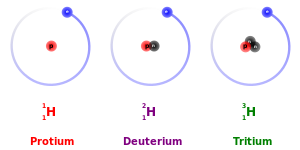
- isotope
- noun
- An isotope is one of two or more species of atoms of a chemical element with the same atomic number and position in the periodic table and nearly identical chemical behavior but with different atomic masses and physical properties.
- Example: This experiment uses a radioactive ISOTOPE of (Cs137) Caesium that emits gamma radiation of only one energy, equal to 662keV.
- fr: isotope
- mole
- noun
- A mole is defined as 6.02214076 × 10²³ of some chemical unit, be it atoms, molecules, ions, or others. The mole is a convenient unit to use because of the great number of atoms, molecules, or others in any substance.
- Example: The molar enthalpy of vaporisation is the heat energy required to vaporise one MOLE of a liquid substance.
- fr: mole
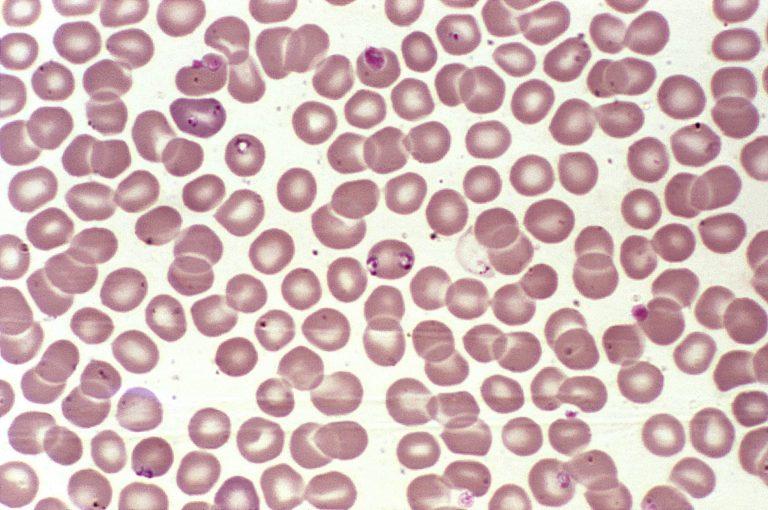
- osmosis
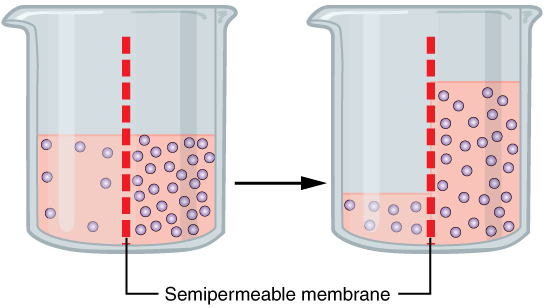
- noun
- A process by which molecules of a solvent tend to pass through a semipermeable membrane from a less concentrated solution into a more concentrated one, thus equalizing the concentrations on each side of the membrane.
- Example: This is achieved by withdrawing water from cells by OSMOSIS.
- fr: Osmose
- phagocytosis
- noun
- The ingestion of bacteria or other material by phagocytes and amoeboid protozoans.
- Example: High levels of glucose in the blood can cause bacterial infection, and impairment to the normal wound-healing processes of leucocyte infiltration, chemotaxis and PHAGOCYTOSIS can cause debris to be left in the wound site which will further increase the risk.
- fr: Phagocytose

- photosynthesis
- noun
- He process by which green plants and some other organisms use sunlight to synthesize foods from carbon dioxide and water. Photosynthesis in plants generally involves the green pigment chlorophyll and generates oxygen as a byproduct.
- Example: For PHOTOSYNTHESIS to occur, there needs to be a supply of carbon dioxide, water, and light energy.
- fr: Photosynthèse

- sterile
- noun
- Free from living germs or microorganisms; aseptic: sterile surgical instruments. incapable of producing offspring; not producing offspring.
- Example: All handling of product post-process must be within the STERILE environment.
- fr: stérile
- symptoms
- noun
- A physical or mental feature which is regarded as indicating a condition of disease, particularly such a feature that is apparent to the patient.
- Example: Diarrhoea, stomach pains, vomiting, acute bowel ulceration and flu-like SYMPTOMS are known to manifest.
- fr: symptomes